Personalized PCOS counseling for better health and well-being
Comprehensive support and strategies to manage PCOS and enhance fertility
Polycystic Ovary Syndrome (PCOS)(also termed as PCOD by many) is a common hormonal disorder that affects many women, and at Neo-Woman Hospital, our PCOS Counseling Clinic provides specialized care to help manage this condition. PCOS can lead to a variety of symptoms such as irregular periods, hormonal imbalances, acne, weight gain, and fertility issues
Our team of experienced PCOS counselors works with women to develop personalized strategies for managing symptoms and improving overall health. We provide a comprehensive approach, combining medical guidance with emotional support to address both the physical and psychological aspects of PCOS.
Our counselors guide women in understanding their condition, offering dietary recommendations, lifestyle changes, and support for managing the emotional challenges associated with PCOS. We also provide fertility counseling, helping women navigate concerns related to conception. With a focus on hormonal imbalance and long-term wellness, our clinic offers empowering solutions to manage PCOS and improve quality of life.
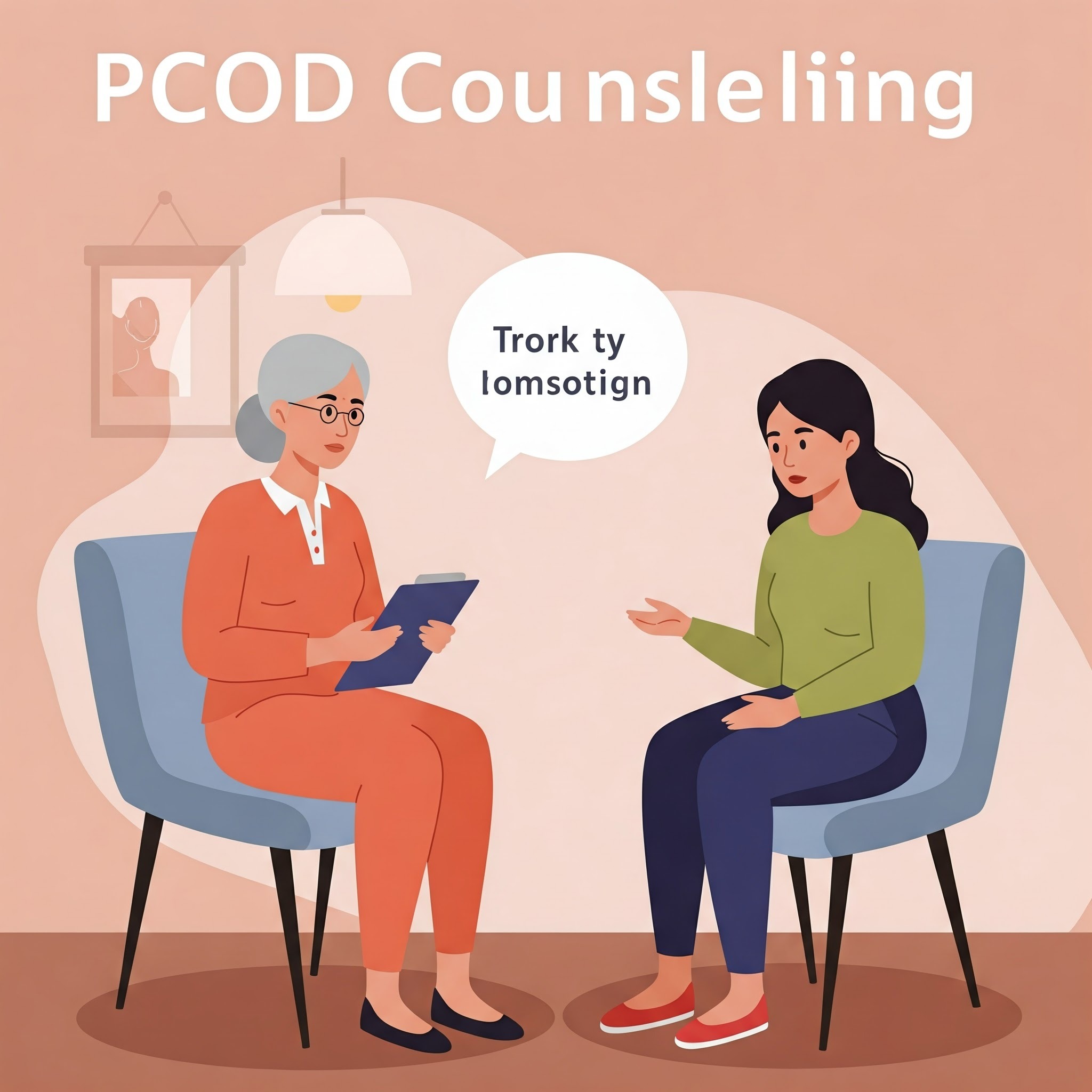

Neo-woman's PCOS counseling clinic
PCOS (Polycystic Ovary Disorder) can affect various aspects of a woman’s life, from hormonal imbalances to fertility challenges. Neo-Woman’s PCOS Counseling Clinic offers specialized care for women dealing with PCOS. Our team provides personalized counseling to address both the physical and emotional aspects of this condition.
We offer guidance on managing symptoms such as irregular periods, weight gain, and emotional well-being, along with dietary recommendations and lifestyle changes. Additionally, our fertility counseling services support women in navigating the reproductive challenges associated with PCOS. We take a holistic approach to help women manage PCOS and lead healthier, more fulfilling lives.
- Understanding hormonal imbalances in PCOS
Polycystic Ovary Syndrome (PCOS) is a condition that results from hormonal imbalances, significantly affecting a woman’s reproductive health and overall well-being. In PCOS, the ovaries produce higher than normal levels of male hormones (androgens), leading to irregular menstrual cycles, excessive facial hair growth (hirsutism), acne, and thinning hair.
Hormonal imbalance also prevents the proper maturation and release of eggs, leading to infertility in some women. A PCOS counselor plays an essential role in helping women understand how these hormonal fluctuations affect their bodies. Through targeted treatments and lifestyle changes, such as medications that regulate hormonal levels, women can manage PCOS symptoms.
Additionally, working with a PCOS therapist to address emotional and physical symptoms can improve the overall quality of life, allowing women to feel more in control of their health and body.
Here are some of the check up and health screenings that you should get done:
- Pelvic Exam
- Pap Smear (Cervical Cancer Screening)
- Breast Exam
- Blood Pressure Measurement
- Cholesterol Screening
- Bone Density Scan (DXA)
- Blood Sugar Test (Glucose Screening)
- Thyroid Function Tests
- Blood Count (Complete Blood Count, CBC)
* The specific exams and screenings recommended can vary based on a woman’s age, family history, personal health history, and risk factors. It’s essential to discuss your individual healthcare needs and screening schedule with your healthcare provider.
- Diet and lifestyle changes for managing PCOS
Managing PCOS requires a comprehensive approach that includes diet and lifestyle changes aimed at balancing hormones and reducing symptoms. A PCOS counselor often provides women with nutritional guidance, recommending a balanced diet rich in fiber, lean proteins, and healthy fats.
Managing insulin levels is crucial, so low-glycemic foods are typically emphasized. Regular exercise, such as aerobic activities or strength training, helps reduce weight, improve insulin sensitivity, and regulate menstrual cycles. Lifestyle changes also include reducing stress and ensuring adequate sleep, which can impact hormone levels. A PCOS therapist may assist in setting realistic fitness and health goals, creating a sustainable routine that complements the body’s needs. This combined approach of PCOS management can help women regain control over their health and alleviate the physical and emotional burdens of PCOS.
- Fertility and reproductive health in PCOS
One of the most significant concerns for women with PCOS is fertility, as the condition can cause irregular ovulation or prevent ovulation entirely.
This hormonal imbalance can lead to difficulty conceiving. A PCOS counselor specializing in fertility may guide couples through options like ovulation-inducing medications, fertility treatments such as in-vitro fertilization (IVF), and lifestyle changes to improve reproductive health. Additionally, a PCOS therapist helps address the emotional stress that can accompany fertility challenges, providing coping strategies and emotional support.
Women may also be educated about their menstrual cycles and ways to monitor ovulation to increase the chances of conception. By combining medical treatments with emotional counseling and PCOS management strategies, women can work towards healthier reproductive outcomes while navigating the complexities of PCOS-related fertility challenges.
- Emotional well-being and self-esteem with PCOS
PCOS’s impact on physical health can also have a significant effect on a woman’s emotional well-being. Symptoms like weight gain, acne, hair loss, and excessive hair growth can negatively affect self-esteem and body image. Many women with PCOS also experience mental health challenges such as anxiety and depression, as they struggle with the ongoing management of their condition.
A PCOS therapist plays a critical role in helping women understand the connection between their physical symptoms and mental health. Counseling can provide coping strategies for improving body image, managing stress, and fostering a positive self-image. Through therapy, women can develop resilience and self-acceptance, which can have a profound impact on their emotional well-being and help them feel empowered in managing their PCOS.
- The role of stress in PCOS
Stress is a major factor that can exacerbate the symptoms of PCOS, triggering or worsening hormonal imbalances, which in turn leads to more severe physical and emotional symptoms. Stress can disrupt sleep patterns, cause weight gain, and impact mental health, creating a vicious cycle that is difficult to break.
A PCOS counselor can work with patients to identify the sources of stress in their lives and implement stress management techniques, such as mindfulness, relaxation exercises, and cognitive behavioral therapy (CBT). Learning to manage stress can improve hormone regulation, reduce inflammation, and help control insulin levels, ultimately alleviating some of the symptoms of PCOS.
By incorporating stress management into PCOS treatment plans, women can experience significant improvements in both their physical health and emotional well-being.

Frequently asked questions
What is PCOS, and how does it affect women’s health?
Polycystic Ovary Syndrome (PCOS) is a common hormonal imbalance that can affect menstrual cycles, fertility, and overall hormonal health. Symptoms include irregular periods, excessive hair growth, acne, and weight gain. PCOS can also impact emotional well-being and lead to long-term health issues if not managed properly.
How is PCOS treated?
PCOS treatment typically involves hormonal therapy to regulate menstrual cycles, medications for insulin resistance, and lifestyle changes like diet and exercise to manage symptoms. A PCOS counselor can help you develop a personalized treatment plan and provide emotional support for managing the condition.
How does PCOS affect fertility?
PCOS can make it harder for women to conceive due to irregular ovulation. However, with the right treatment and lifestyle changes, many women with PCOS can successfully conceive. Fertility counseling and medications like ovulation induction can help manage these challenges.
How can I manage the emotional impacts of PCOS?
PCOS can affect self-esteem and emotional well-being, especially due to symptoms like weight gain or acne. Emotional support from a PCOS counselor, along with lifestyle changes, can help you manage stress, improve body image, and boost self-esteem.
Can a PCOS counselor help me manage my condition?
Yes, a PCOS counselor can provide guidance on managing symptoms, making lifestyle changes, addressing emotional challenges, and exploring fertility options. They can offer personalized advice, support, and education to empower you in managing PCOS.
Service line
Our locations
Neo-woman clinic
Apte Road
1212, Apte Rd, opp. Centro Hotel, Shirole Road, Shivajinagar, Pune, Maharashtra 411004
Contact us at: 9423039292
Our locations
Neo-woman clinic
Hadapsar
Gandharva Empire, 3rd floor, Above Fab India, Raskar Chowk, Amanora Park, Hadapsar, Pune, Maharashtra 411036
Contact us at: 7030114488
Copyright © 2026 neo-Woman – all rights reserved.
:::| powered by dimakh consultants |:::